
 Digital Nordic
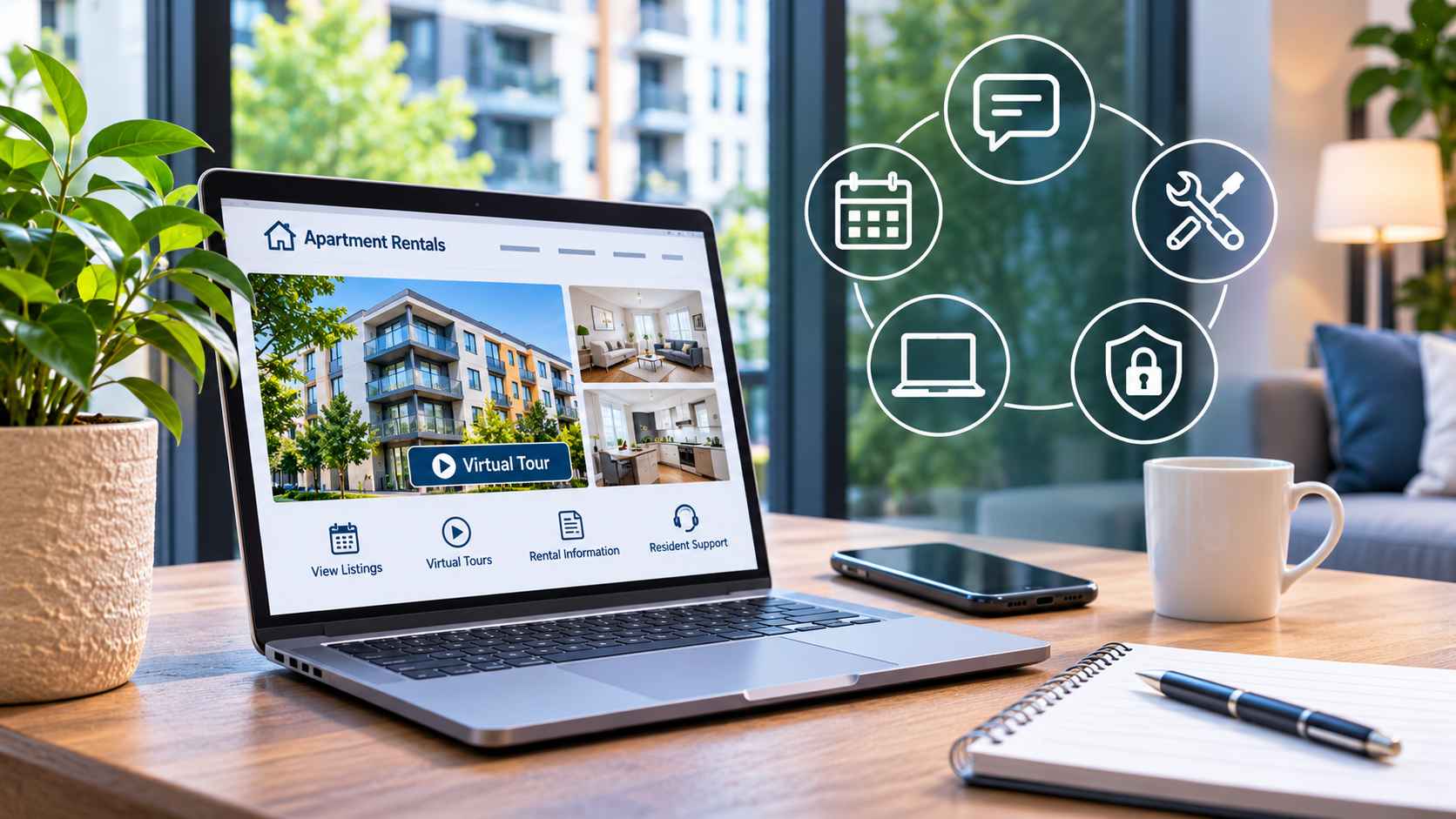
A renter searching for a new apartment may begin by comparing online listings, reviewing floor plans, and arranging a virtual showing. After moving in, the same person may prefer to pay rent online, contact building staff by email, or receive updates about scheduled maintenance.
These everyday interactions demonstrate how digital technology is becoming part of residential property management.
For rental housing providers, digital convenience offers opportunities to make information more accessible and communication easier to organize. However, technology alone cannot address every question, repair concern, or individual circumstance.
Effective property management requires a balance between useful digital tools and responsive personal service. Understanding how these elements work together is important for both residents and property managers.
The Growing Role of Digital Communication in Rental Housing
Communication is one of the most important responsibilities in residential property management.
Residents need reliable ways to ask questions, report concerns, understand building policies, and receive information about their homes.
Traditionally, these interactions relied heavily on telephone calls, printed notices, and visits to building offices.
Today, email, online accounts, and other digital communication methods provide additional options.
For example, a resident may find it convenient to send a written question about their lease rather than arranging an in-person meeting.
Digital communication can also help preserve important details, including dates, instructions, and previous correspondence.
However, property managers should consider residents who prefer telephone conversations or direct assistance.
Providing appropriate communication options helps accommodate different needs and circumstances.
Online Apartment Listings Make Information More Accessible
The rental experience often begins long before someone contacts a property manager.
Prospective tenants may compare several buildings, neighbourhoods, and apartment layouts online.
Digital listings can provide photographs, floor plans, rental information, and details about individual properties.
Helping Renters Make Informed Comparisons
Someone relocating for work may want to research apartments before arriving in a new city.
Online information can help identify potential options and prepare questions for rental representatives.
However, information should remain accurate and clearly presented.
Rental availability, included utilities, parking arrangements, and building amenities can vary.
Property managers should encourage prospective residents to confirm important details before submitting applications or signing agreements.
Virtual Tours and Flexible Viewing Options
Virtual apartment tours provide another way for prospective residents to explore rental housing.
Depending on the format, a virtual showing may involve a live video appointment or a digital presentation of an available apartment.
These options can be useful for people relocating from another city or managing demanding schedules.
Self-guided tours may also offer flexibility where available.
Combining Convenience With Personal Assistance
Osgoode Properties provides information about virtual showings and self-guided tours through its apartment rental information and resident support page.
Prospective renters can contact the company to arrange viewing options and clarify applicable procedures.
Virtual and self-guided experiences should still allow people to ask questions about rental terms, property conditions, and available services.
Technology can support the viewing process without removing the value of direct communication.
Digital Access to Rental Information
Residents often need access to information after their tenancy begins.
This may include rental payment arrangements, account details, building policies, and communication procedures.
Digital platforms can help organize selected information in one accessible location.
For example, Osgoode Properties offers online rent payments through RentCafe while also identifying other accepted payment methods.
Other property management providers may offer different combinations of online services.
Clear Information Matters More Than Complex Technology
A digital platform is useful when residents can understand its purpose and navigate it comfortably.
Property managers should explain which tasks can be completed online and which require contacting building staff.
Account access difficulties should also have a clear support process.
Not every building requires an extensive digital system. The most appropriate technology is the technology that supports residents’ actual needs.
Coordinating Maintenance Requests Effectively
Maintenance is one area where clear communication is particularly important.
Residents may need to report leaking plumbing fixtures, malfunctioning appliances, or problems involving building systems.
Digital communication can help document these concerns and provide useful details to maintenance teams.
Making Maintenance Reports Clear
A practical maintenance report should identify the problem, explain its location, and describe any relevant circumstances.
For example, reporting that a kitchen tap has been leaking continuously provides more useful information than simply stating that the sink needs attention.
Some property managers use online maintenance systems, while others rely on email, telephone calls, or direct communication.
Osgoode Properties instructs residents to contact their site office in person or by email to submit work orders.
Emergency building concerns should follow the property’s established emergency contact procedures rather than relying on routine messages.
Communication Between Residents and Building Teams
Successful property management depends on communication in both directions.
Residents need to understand how to contact management, while building teams need sufficient information to assess concerns and coordinate appropriate responses.
For example, scheduled maintenance may require temporary access to certain building areas.
Providing advance information where appropriate allows residents to prepare.
Similarly, when a repair requires specialized contractors, clear communication can help explain the next steps.
Avoiding Unnecessary Confusion
Property managers can support communication by using straightforward language and providing relevant details.
Residents should know whom to contact if they have questions or need clarification.
Digital tools can help organize these interactions, but they cannot guarantee that every issue will be resolved immediately.
Why Clear Updates and Realistic Expectations Matter
One of the challenges in residential property management is communicating when a concern cannot be addressed immediately.
Some repairs require inspections, replacement parts, specialized contractors, or coordination with other building activities.
Residents may become frustrated when they do not understand what is happening.
Clear updates can reduce uncertainty by explaining the status of a request and any known next steps.
Avoid Promising Uncertain Timelines
Property managers should distinguish between confirmed arrangements and estimated completion dates.
For example, informing a resident that a contractor has been contacted is more useful than promising a repair will be completed before the necessary assessment occurs.
Communication should be accurate, respectful, and realistic.
A dependable process is more valuable than making commitments that may not be achievable.
Data Privacy and Responsible Digital Communication
Rental applications and resident accounts may involve sensitive personal information.
This can include identification documents, contact details, financial information, and payment records.
As digital services become more common, protecting this information deserves careful attention.
The Office of the Privacy Commissioner of Canada’s technology and privacy resources provide guidance relating to digital devices, electronic payments, online privacy, and responsible technology use.
Practical Privacy Considerations
Property management companies should consider secure information handling, appropriate access controls, and clear communication about personal data.
Residents can also take precautions by using verified websites, protecting account passwords, and reviewing unexpected requests for sensitive information.
Digital convenience should not come at the expense of responsible privacy practices.
Why Technology Should Complement Human Customer Service
Some rental matters are straightforward enough to handle digitally.
Others require personal conversations or direct professional attention.
A tenant with questions about a lease may prefer to speak with building staff.
Someone experiencing a complicated maintenance issue may need assistance that cannot be adequately provided through an automated response.
These situations demonstrate why human service remains essential.
Professionally managed rental housing involves coordinating building operations while maintaining communication with residents.
Organizations offering professionally managed rental properties illustrate the importance of combining operational responsibilities with resident-focused service.
Digital tools can support this work, but they should not become barriers to obtaining appropriate assistance.
How Renters Can Evaluate Digital Services
Before choosing an apartment, prospective residents can ask practical questions about the property’s communication arrangements:
- Are virtual or self-guided apartment viewings available?
- How can residents access rental and payment information?
- What methods are available for contacting building staff?
- How should routine maintenance requests be submitted?
- What procedures apply to urgent building concerns?
- Are telephone or in-person assistance options available?
- How is personal information handled?
- What happens when an online service is unavailable?
Understanding these arrangements helps renters establish realistic expectations about everyday communication.
Creating a More Connected Rental Experience
Digital technology provides useful opportunities for residential property management, from apartment searches and virtual tours to online payments and organized communication.
However, effective service depends on more than the number of digital features offered.
Residents need clear information, accessible support, dependable maintenance procedures, and respectful communication.
Property managers benefit from selecting tools that support these responsibilities rather than introducing technology simply because it is available.
The most practical approach combines digital convenience with responsive human interaction.
When technology is used thoughtfully, it can become a helpful part of the rental experience while allowing property management teams to remain focused on the people and communities they serve.